by Grillers Gold | BBQ, Flavor
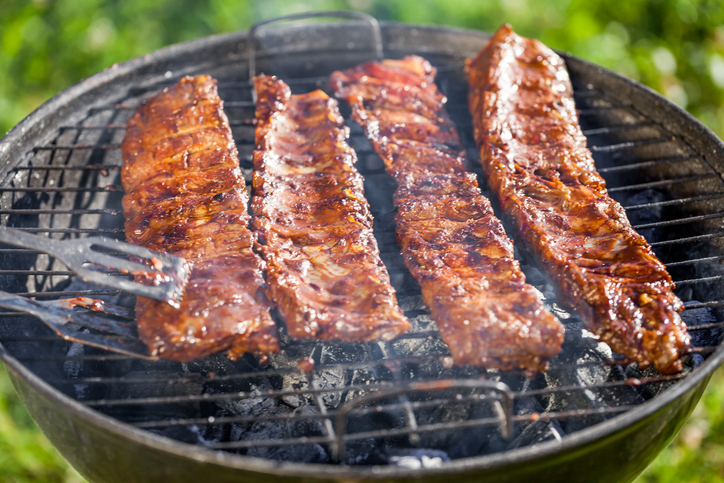
We admire the prodigious knowledge of Meathead Goldwyn at AmazingRibs.com and we love to share what we learn from him. What does he have to say about a scientific approach to best techniques for grilling and smoking meat? To understand the science of grilling, you’d do well to read this piece. It includes much discussion about meat’s composition, especially muscle, fat and connective tissue—and myoglobin content which is what brings the reddish color to meat juice and differentiates ‘dark’ from ‘white’ meat. (More on myoglobin in a minute.)
Temperature and cooking time all matter. The constituent elements of meat factor into optimal cooking time. Goldwyn says “Because different cuts of meat vary significantly in tenderness, fat content, and collagen content, some must be cooked hot and fast to be at their best, some must be cooked low and slow, and some must be cooked with a combination on both to reach their optimum.”
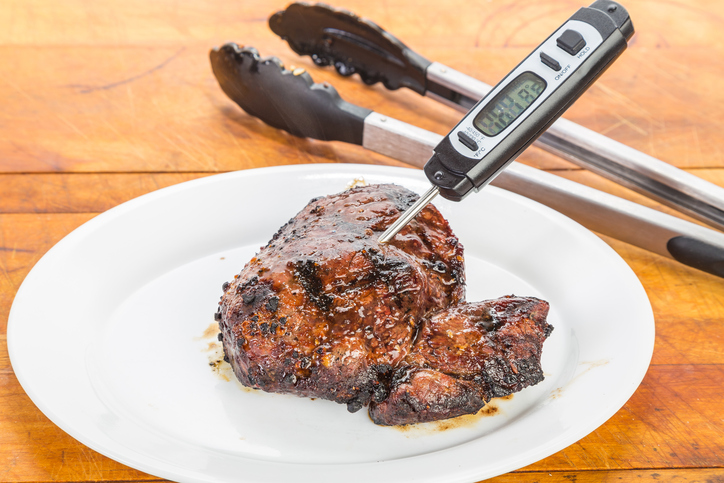
Can you tell if meat is done just by looking?
That’s a ‘no,’ according to Meathead
“You cannot tell if meat is safe or cooked to the proper temp by looking at it. Sometimes vegetables in the grill can produce gases that alter meat color. When you cut into meat to look at it, it can change in a few minutes after it has been exposed to oxygen. Compounds in marinades and brines can impact color. There is only one way to tell if meat is at its optimum quality and safety: With a thermometer, preferably a digital.”
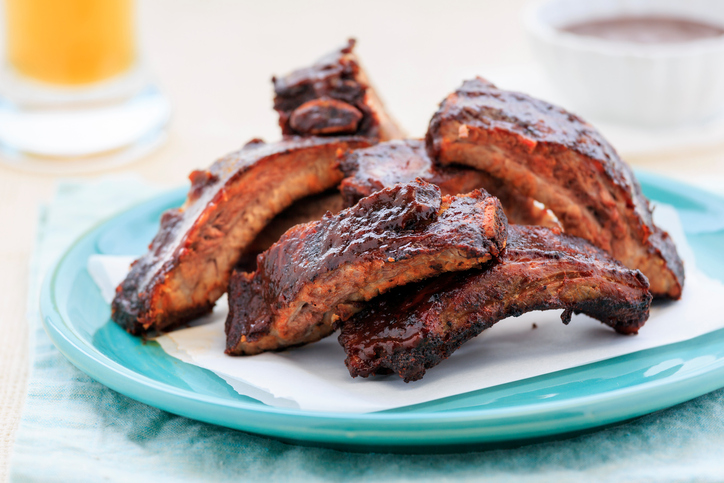
Smoked meat—Meathead and other BBQ experts note—often develops a ‘smoke ring’, a bright pink color just under the surface all the way around the piece. Meathead realizes that some people might think the pink color means the meat is raw, but “nothing could be further from the truth.“
In a related article, Goldwyn cites research showing that “the smoke ring is an interaction between … myoglobin with the gases nitric oxide (NO) and carbon monoxide (CO). NO and CO are made by the combination of carbon and nitrogen with oxygen during the combustion of wood or charcoal… Like many proteins, myoglobin changes color permanently when it breaks down after exposure to heat. In beef the meat goes from purple to red to pink to gray at very specific temperatures, and that is what defines rare, medium rare, well done, etc. Once myoglobin breaks down, at about 170°F in beef and 100°F in tuna, the game is over, it cannot return to pink.”
“While meat is starting to cook, if NO or CO land on the surface and dissolve into the meat, they “fix” the color pink while the rest of the meat heats up and goes to gray. But NO and CO cannot diffuse very far beyond the surface before the meat beneath it heats up, dooming the myoglobin in the interior to a colorless fate. As a result, the pink forms a thin layer, the smoke ring, which usually only goes about 1/8″ deep, although, under some circumstances, it can go up to 1/2″ deep.” Goldwyn says that the locking of the myoglobin color starts almost immediately with a good, stable, clean fire.
Yes, you read that right. Heat, not smoke, creates the smoke ring. Isn’t education grand?
For a pellet fire, Goldwyn recommends putting a slab of ribs on at 225°F. “After 30 minutes, move it indoors and finish cooking. There will be a fine looking smoke ring. After just 30 minutes exposed to NO and CO!”
Be sure to read the Griller’s Gold post about best cuts of meat for grilling and slow cooking. You’ll find a little historical note about why low-cost meats have been BBQ favorites since the cooking technique’s beginnings.
And check out a full history class on grilling at Back to School 1 also on this blog.

by Grillers Gold | BBQ, Flavor
Right now, at the height of summer, we dream of picking tomatoes that are still warm from the sun, slicing them, putting them on a plate with their juices flowing and enjoying them straight up. They’re that good. Of course, make just a little more effort and your tomatoes are the basis of wonderful side dishes for your next BBQ.
But not all that long ago, tomatoes were thought to be poisonous and foul. Thanks to Modern Farmer magazine for their fine and fascinating history of the tomato in America. Here are some excerpts.
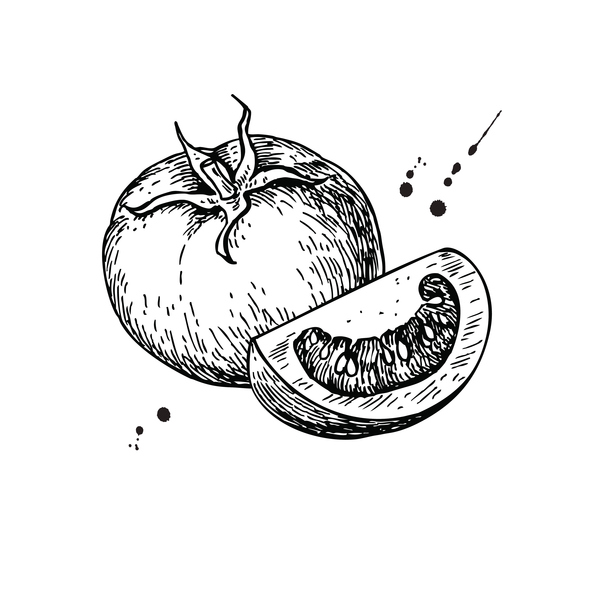
While grown and used throughout pre-Civil War America, tomatoes weren’t widely embraced. Tomatoes—Lycopersicon esculentum—are in the Solanaceae family, which includes deadly nightshades and other poisonous plants; part of the tomato taboo was guilt by association.

Wrote Working Farmer editor James Mapes, of Newark, New Jersey, the tomato was ‘long grown in our gardens as an ornamental plant, under the name of Love Apple, before being used at all as a culinary vegetable. About 1827 or ’28, we occasionally heard of its being eaten in French or Spanish families, but seldom if ever by others.’
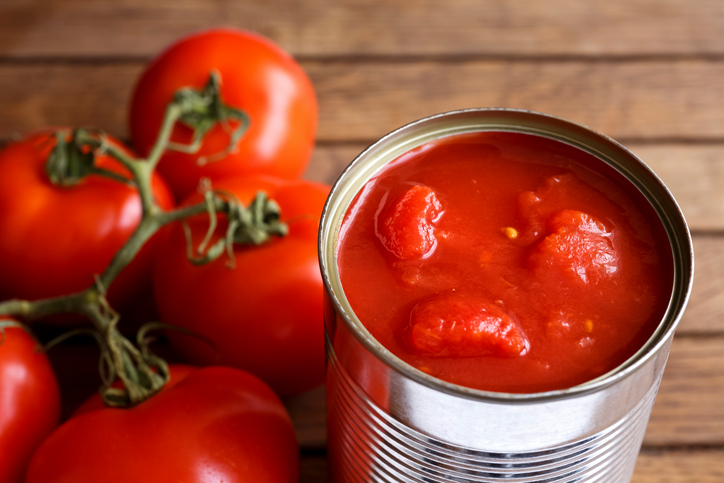
The Civil War was a tomato game-changer. Canneries boomed, filling contracts to feed the Union army. Tomatoes, which grew quickly and held up well during the canning process, rose to the occasion. After the war, demand for canned products grew, with more tomatoes being canned than any other vegetable.
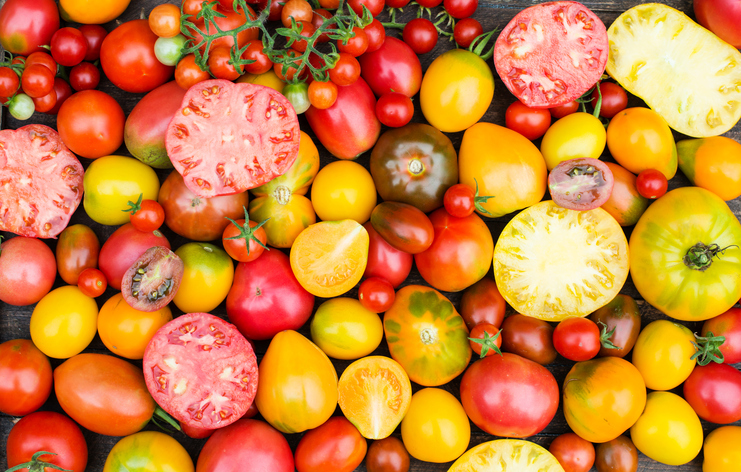
Alexander Livingston, who had a serious green thumb from an early age, began a seed company in 1850. ’There was not in the United States at the time an acre of tomatoes from which a bushel of uniformly smooth tomatoes could be gathered,’ Livingston said of the tomato scene in the 1860s. Livingston introduced his initial groundbreaking hybrid tomato, the Paragon, in 1870. He called it ‘the first perfectly and uniformly smooth tomato ever introduced to the American Public.’ The twenty-odd varieties of Livingston’s tomatoes still available in seed form today are considered heirlooms.”
Summer side recipes
Let’s nod to history with two of today’s classic tomato-centric dishes, one from the American South and another with Italian heritage.

Fried green tomatoes should start with green fruit because red ripe tomatoes will start mushy and get even more so as you cook them. This recipe combines flour, breadcrumbs and cornmeal to make the breading good and crunchy.

This Caprese salad takes the pure and basic ingredients of ripe tomatoes, just-picked basil, and fresh mozzarella, and elevates with the sweetness of honey and a balsamic reduction.
BACK TO BLOG

by Grillers Gold | BBQ, Holiday
Grilling gifts are the gold standard for the Father’s Day holiday. So as you shop, check out this menu of ideas.
Keep those summer beers cool
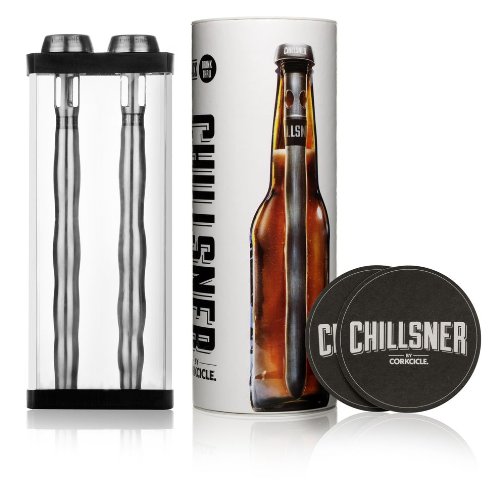
Corksicle Chillsner Beer Cooling Sticks come in a 2-pack. Just insert into long-neck beer bottles and, well, chill.
Use steam to clean the grill
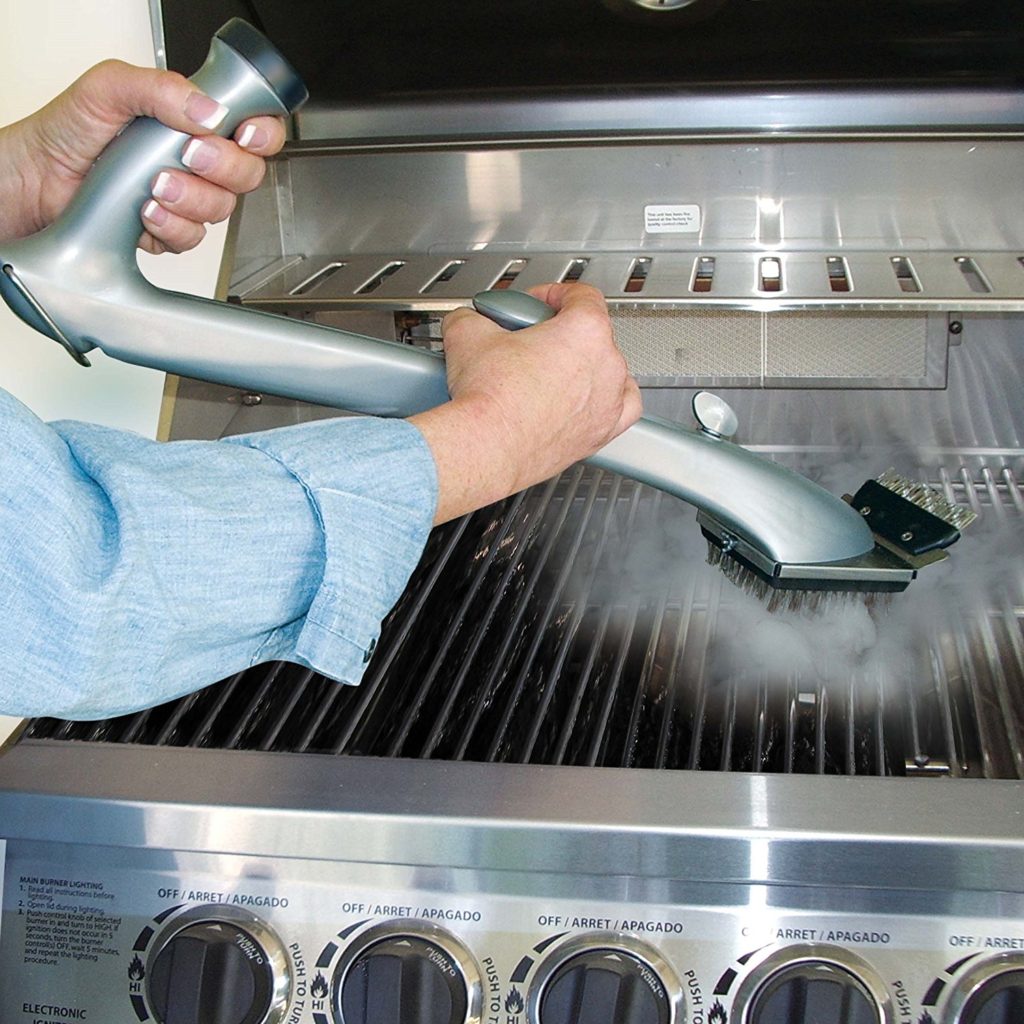
The Grill Daddy Pro Grill Brush uses the power of steam to clean baked-on grease and food. And that lets the man relax on his big day. (Thanks to BuzzFeed for showing us those two fun items.)
And how about a couple hot-off-the-wood-grill gourmet treats that help Dad cook up the best burgers ever?
Check out our best burger trends and tips here.
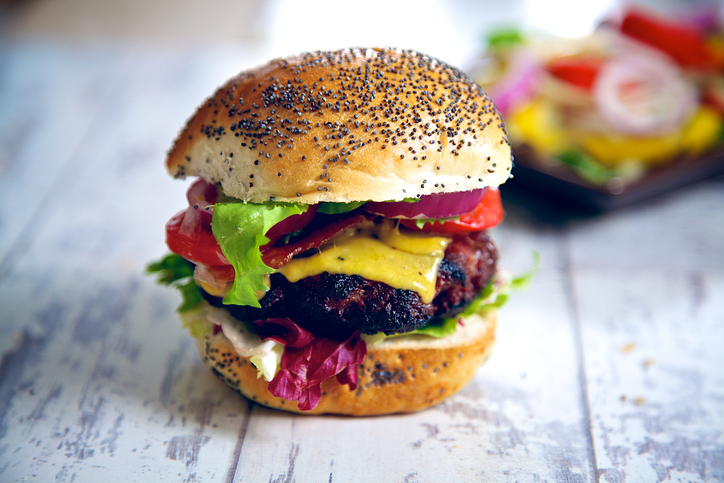
You can also keep it simple and delicious by referring to these recent gift guides from Griller’s Gold.
Want cool grilling gadgets with a touch of tech?
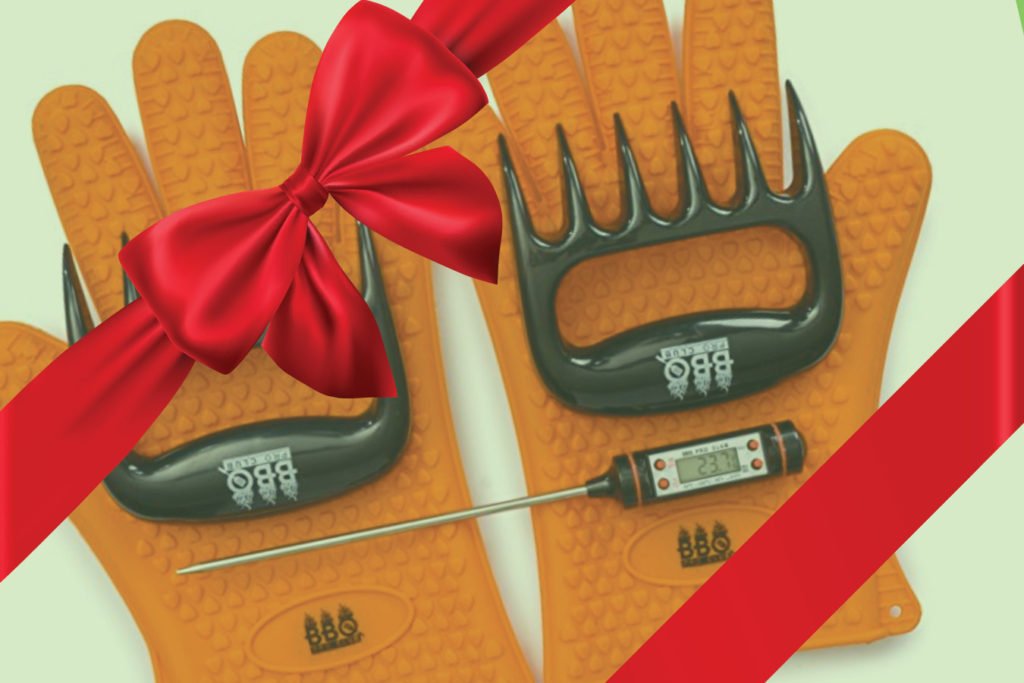
Think you want to go natural – just like Griller’s Gold pellets that are made from one natural ingredient, wood?
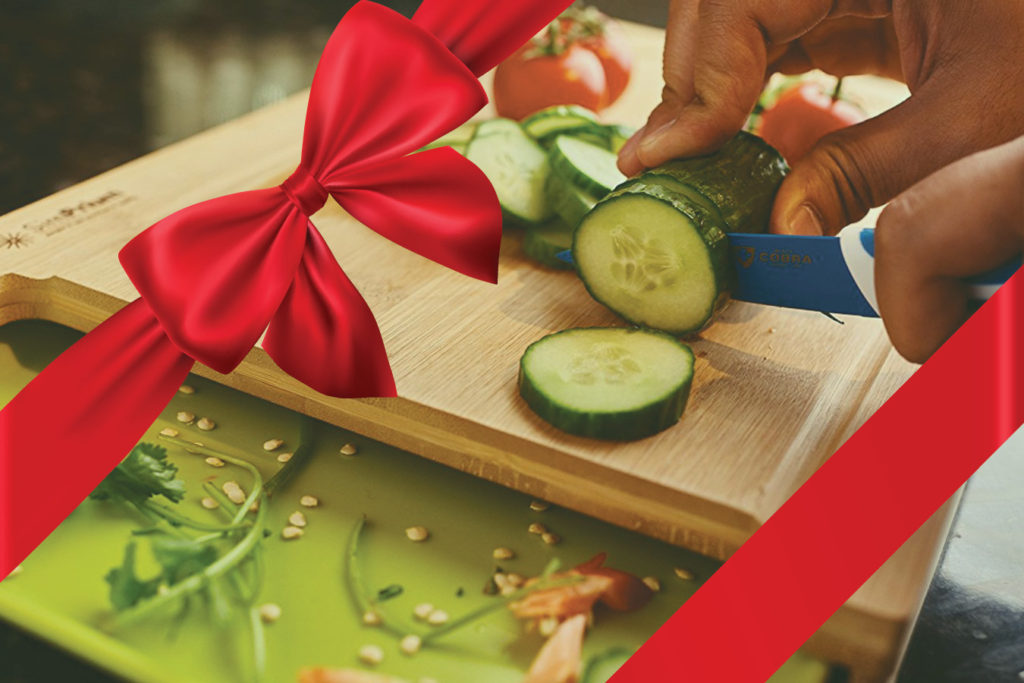
All of us at Griller’s Gold wish you a great Father’s Day celebration in your own backyard.
BACK TO BLOG
by Grillers Gold | BBQ, Flavor
Get a new take on that griller’s favorite, the burger. Look at what’s popular in the burger world right now, and learn how to cook the perfect burger on your wood pellet grill.
Layer the smoked flavors
When you’re using a wood pellet grill, great smoky flavor is a sure thing. So make the most of it. You can build on that base of smoked flavor with chipotle sauce, smoked cheese and other savory notes.
Chipotle BBQ sauce
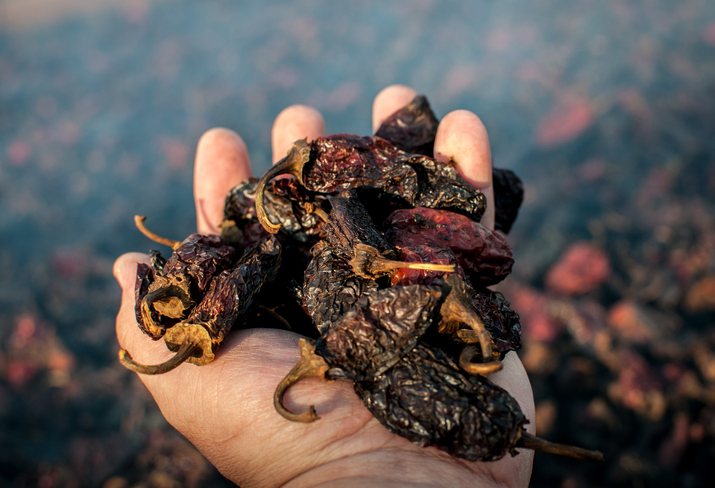
There’s a choice of options on the market, because spicy smoked chipotle pepper flavor is so hot.
- Many mainstream grocery BBQ sauce brands include a chipotle version in their lineup.
- If you’re in the mood for something artisanal, you can find winning taste with specialty brands like Oklahoma-based, award-winning, family-owned Kosmo’s Q Competition BBQ Sweet Apple Chipotle sauce, available for direct shipping or via Amazon.
- And if you just know that grilling is your superpower, you can make your own from scratch and take all the credit; check out this well-reviewed chipotle sauce recipe.
Smoked cheese
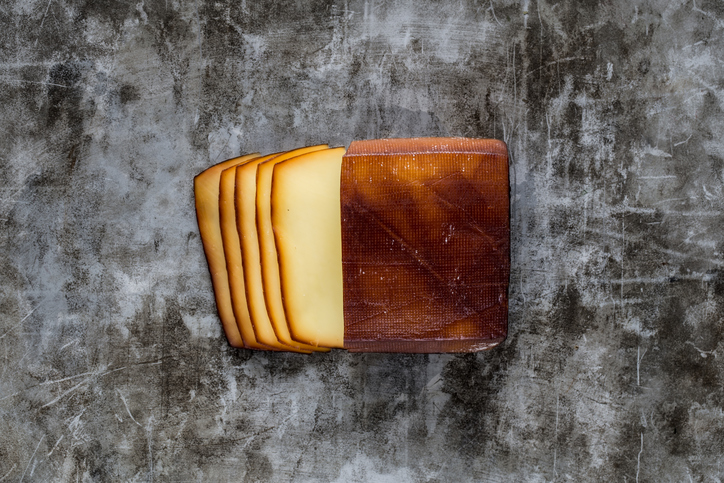
You won’t go wrong opting for the classic smoked Gouda, which you can order sliced at many grocery store deli counters. Or enjoy a trio of innovative flavors in this Smokey Cheese Gift Pack. Extra bonus: these tasty cheeses are shipped by Wisconsinmade.com, so they come from the home state of Griller’s Gold.
For more thoughts on layering complementary flavors – and contrasting ones, too – read Menu Planning 2: mix and match your menu items.
Don’t expect too much in the way of char
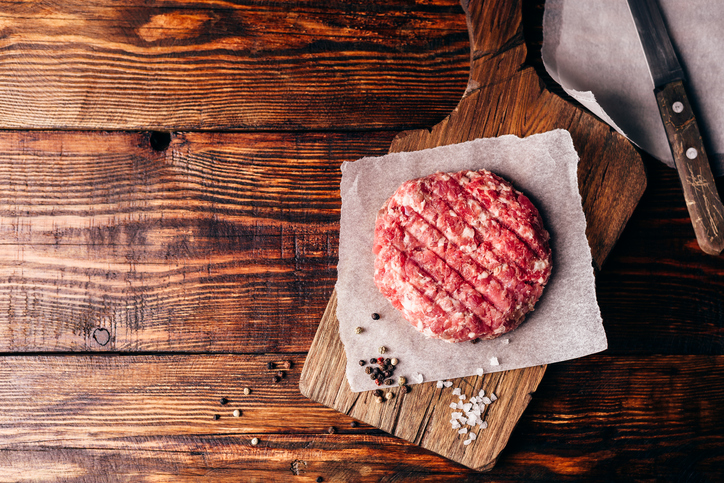
First off, remember that wood pellet grills use indirect heat. And a sear or crust requires direct exposure to high temperatures. Your wood pellet grill instructions probably tell you to cook your burgers at a relatively low temperature setting for what might seem like a surprisingly long time, then pull the patties, turn up the temps, and wait to hit the high heat to sear for a few final minutes. Look around on the wood pellet BBQ forums, and you’ll find a lot of comments about how cooking for a good crispy char is an elusive goal.
But don’t despair! You can add some texture and crispy crunch by rubbing ingredients on the outside of your burger and letting the indirect heat do its cooking thing. You can create a crust on your burger with something as simple as crushed peppercorns. Black peppercorns are fine but multi-colored mixes add more interesting flavor notes. Go all gourmet on your burgers with rainbow whole peppercorns that you buy in bulk – because you’ll want to use them a lot!
Enjoy a cool beer on the side with your burger!
BACK TO BLOG
by Grillers Gold | BBQ, Flavor
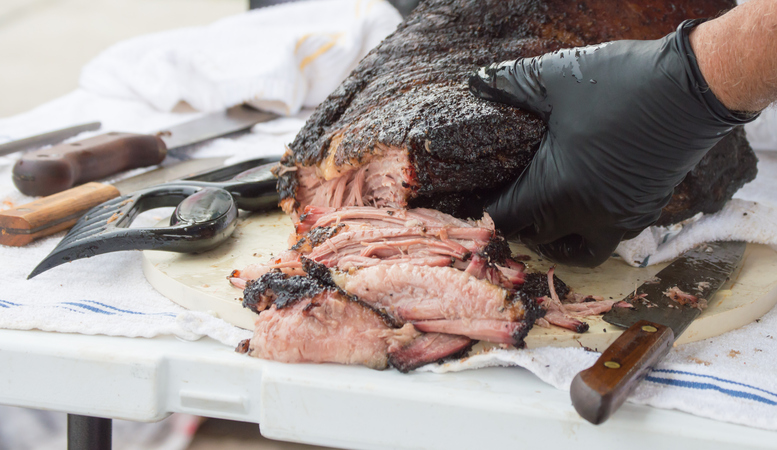
When it comes to cooking, you want to pick the right ingredients to get the most delicious results. And when it comes to grilling over wood pellets, you want to pay special attention to two things: The meat, and the wood pellets themselves.
Celebrate low-cost cuts
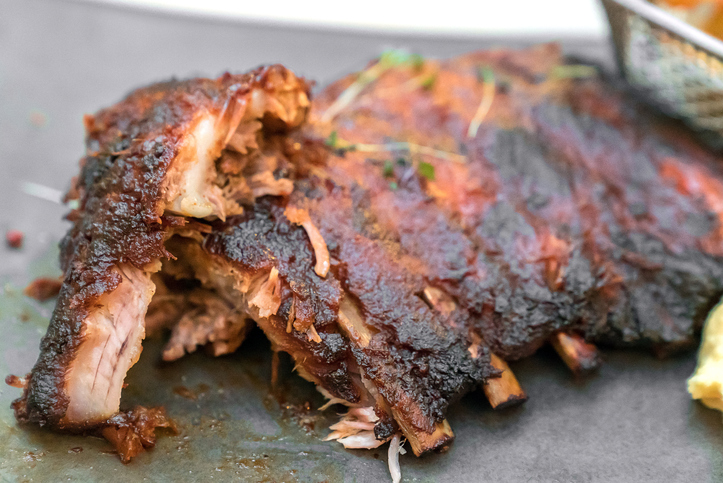
The origin of the word ‘barbecue’ is generally considered to be ‘barbacoa,’ a word from the West Indies referring to slow-cooking meat over hot coals. But the Oxford English Dictionary leans toward tracing the word to the French phrase “barbe a queue,” meaning “from head to tail.” Either way, according to University of Virginia’s page on barbecue history, a 19th-century Southern gathering of rich and poor often took place around a meal of barbecue, using every cut of pork. Such church and political events continue nowadays in many parts of the South.
Whether you’re eating today at a barbecue shack, a church picnic, or in your backyard, you can count on smoking and traditional barbecue to make the best use of the most humble cuts of meat. Traditional barbecue selections include pork shoulder, beef brisket, ribs. They’re tough, chewy, fatty, and therefore undesirable for most other cooking methods. Slow cooking makes a virtue of fat and connective tissue, breaking down the tough stuff over hours of cooking time. The result is a pile of sweet, moist meat on your plate.
So make a point of shopping for humble cuts when you’re planning on barbecuing. Your investment will surely pay off.
Ingredients that go up in smoke
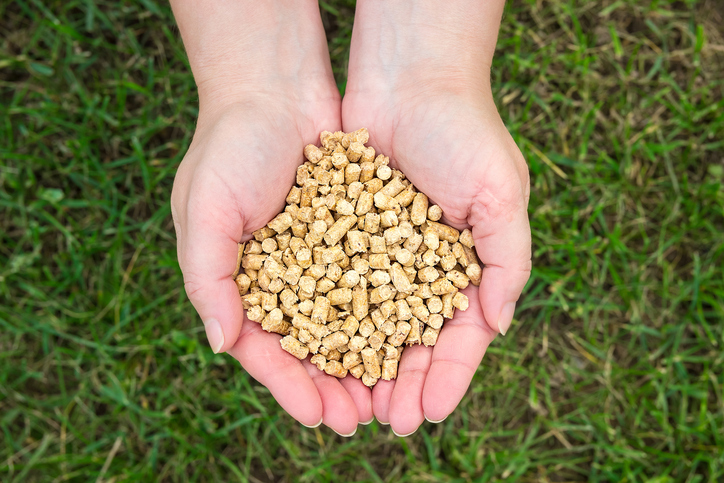
Consider your wood pellets as another ingredient in your dish. Here’s why: smoke adds something special to the flavor profile. In chef talk, smoke fits into a flavor category called ‘umami’—which describes meaty, savory flavors. Read more about flavors, and how they fit into barbecue menu planning, here.
At Griller’s Gold, we’re proud to use only one ingredient in our wood pellets: 100% natural wood. That means the smoke flavor you get is 100% natural, too. There’s nothing like it. But there are delicious differences in the strength of smoky flavor you get from different wood types, which is why we make five different blends. Read about some of the woods we use here.
And know that good food and good company are all the ingredients you need for a good time.
BACK TO BLOG
by Grillers Gold | BBQ
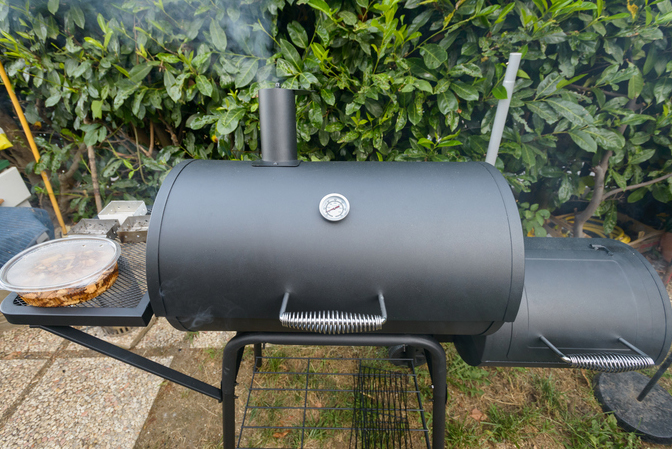
So it’s spring, and time to give your grill/smoker a serious cleaning to start the outdoor cooking season right. Cleaning your grill makes for better flavors. No, that build-up of smoke and soot really does not add anything tasty to your food. The experts agree: you’d never let your indoor oven get encrusted with scorched, flammable soot, so why would you think that’s a good idea for your grill?
Here’s the gear you’ll need for best practices in grill spring cleaning:
- a large plastic tub
- hot water and dish soap
- foil
- a paint stirring stick/long-handled wood spoon
- a scrubby
- a shop-vac
- and stainless steel polish
- (Adult beverages and a good playlist also help)
Grill expert Steve Reichlen reminds us that it’s “very important to keep the inside of your pellet grill/smoker dry. Not only are the electronics sensitive to moisture, but the pellets will disintegrate if they get wet, potentially turning to wood ‘cement’ in the augur, jamming it.” So take care as you clean, and give your freshly cleaned grill plenty of time to dry before firing it up.
Here are more of Reichlen’s tips.
- Make sure the grill is cold.
- Place the grill rack and the chimney dome in the hot soapy water.
- Remove foil from the drip pan and flame reflector and brush off debris; put these parts in the tub only if they’re still very dirty after brushing.
- Remove solids from the grease bucket and place in the tub.
- Scrub all parts, then air-dry completely.
- Use the paint stirring stick to clear the grease chute.
- Use rubber bands to secure the scrubby to the end of the spoon, brush handle or stirring stick and wipe the (often surprisingly disgusting) inside of the chimney.
- Give the inside of the lid a good scrape with the brush.
- Vacuum the grill interior and the firepot, being sure to clear the holes in the firepot.
- Wipe the interior with a scrubby dampened with water or a natural cleaning product.
- Carefully wipe the temperature probe.
- Give any stainless steel parts a wipe with stainless steel cleaner.
- Replace the grease bucket; line it with foil for future easy maintenance.
Every time you grill
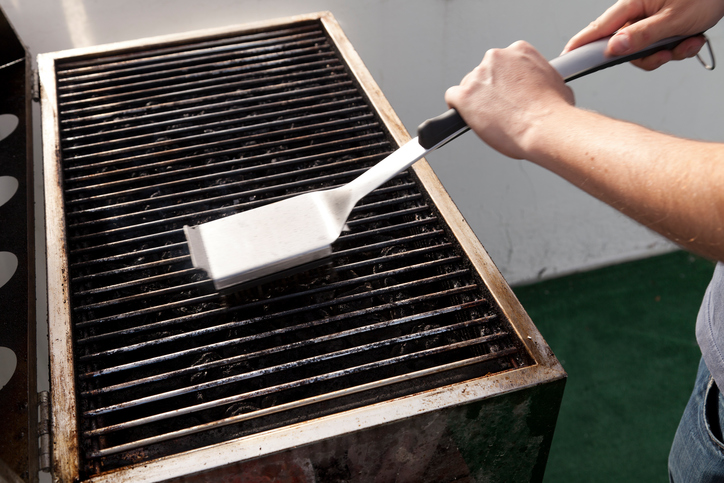
Keep things easy and flavors clean by maintaining your pellet smoker all year. All you’ll need: your brass wire brush, a damp rag, and heavy-duty aluminum foil.
- Run on high for ten minutes, then brush the grates.
- Switch off and cool the smoker according to your grill’s instruction manual.
- Carefully remove the grease bucket and put it out of the reach of animals.
- Wipe any drips off the grill exterior with a damp rag.
- Allow to cool overnight and replace the foil on the drip pan.
For people with gas and charcoal grills
The same general principles apply to cleaning all grills, even when the working parts are somewhat different. Use the right tools (copper wire brushes are key), mild but effective cleaning solutions (dish soap in hot water), and safety precautions (like cleaning at the right temperature).
BACK TO BLOG