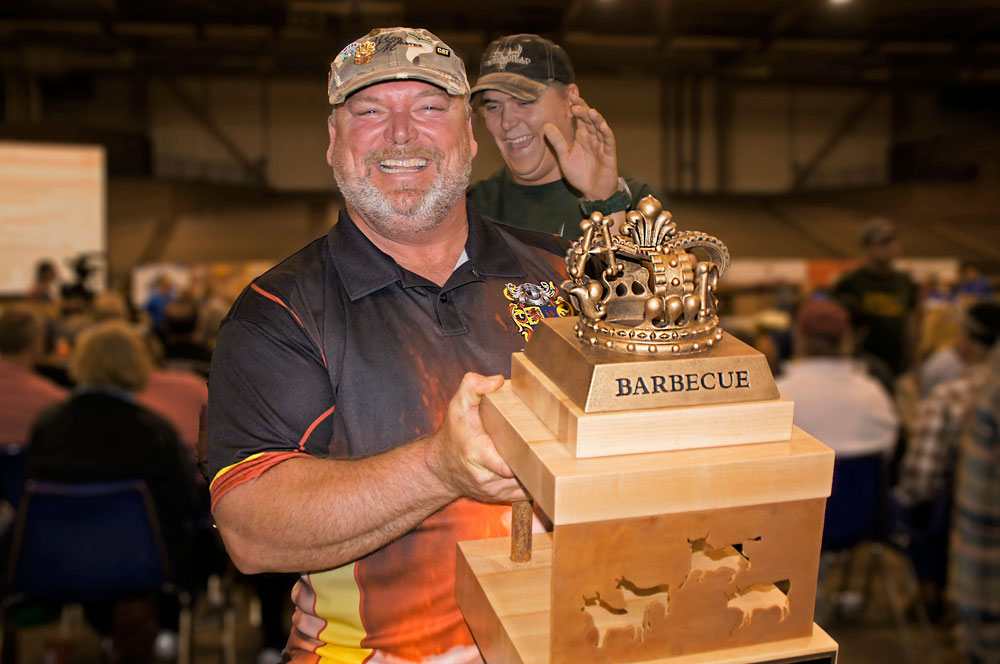
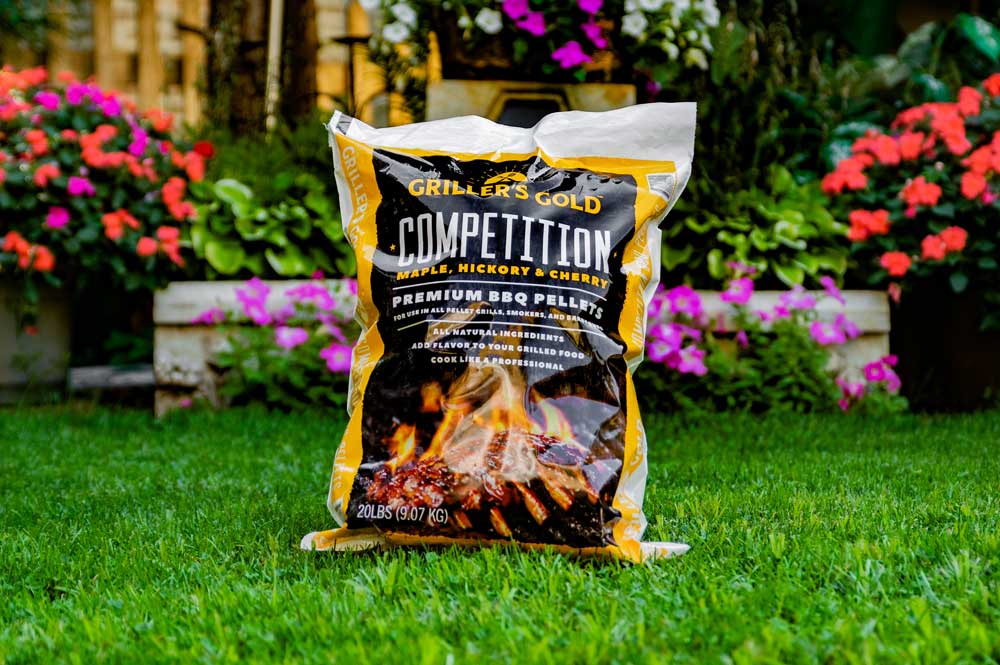
This is the first of two articles featuring Tom, a champion competitive griller sponsored in part by Griller’s Gold.
Even in the days before he imagined competing, Tom McIntosh, leader of the T-Mac Smokin’ team—sponsored by Griller’s Gold—has used wood pellets for his grilling. “I had a backyard pellet grill that I purchased in 2007. I was very familiar with cooking with pellets,” Tom said.
Tom’s competitive career began serving up food at the church
picnic. “I used to have the picnic’s beer tent. We decided we had to do
something about the food. We started with steak sandwiches, then chicken and
ribs, then went the whole nine yards to pork shoulder and brisket.” The lucky
congregation that got to enjoy all this fine food and drink is St. Pius X in
Appleton, Wisconsin. Tom and his family no longer live in that community. He
jokingly says “We had a hard time getting people to take over the picnic so we
had to move!”
“In 2010, somebody said I should try one of these competitions. I hadn’t even seen any BBQ TV shows.” Tom entered a non-sanctioned competition in Green Bay that worked by KCBS rules. He won Reserve Grand Champion. “I’ve been competing seriously since 2012.”
“The T-Mac Smokin’ team has competed in about every state in the Midwest—Kansas, Minnesota, Michigan, Iowa, Wisconsin, Illinois, Indiana, Missouri, Tennessee, Arkansas, Oklahoma. And up to Ontario, Canada, and down to Puerto Rico, twice—we won it the first time,” Tom said.
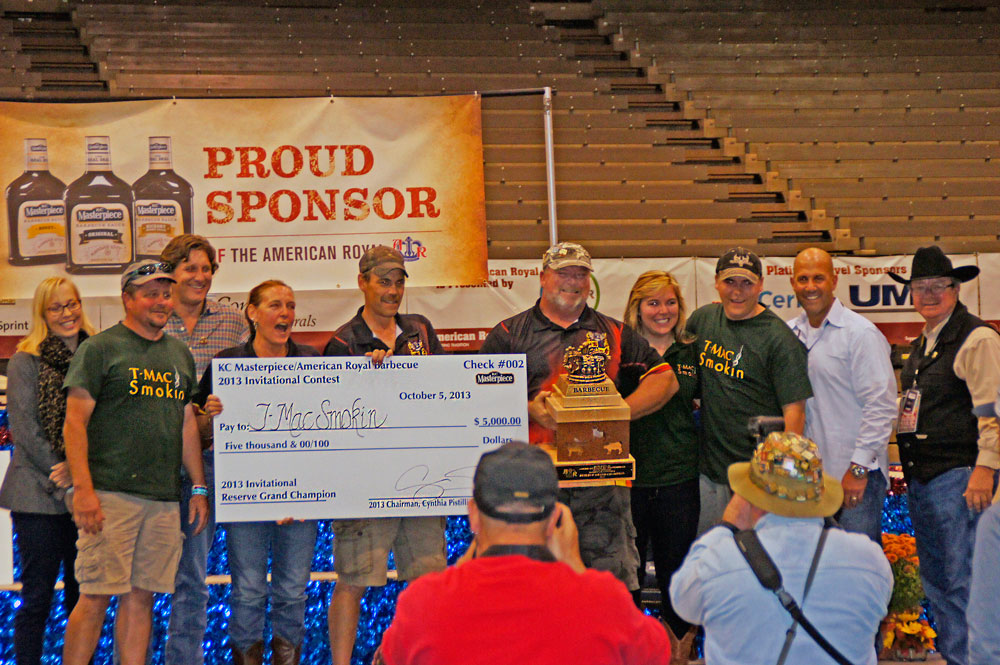
One of the best memories Tom has is from early competitive days, in 2013. “Our whole family went to the 2013 American Royal Invitational in Kansas City, Missouri,” Tom said. “Two hundred competitors from the larger Open event were invited. We won Reserve Grand Champion and got a perfect score for first place on brisket–kind of an amazing accomplishment.”
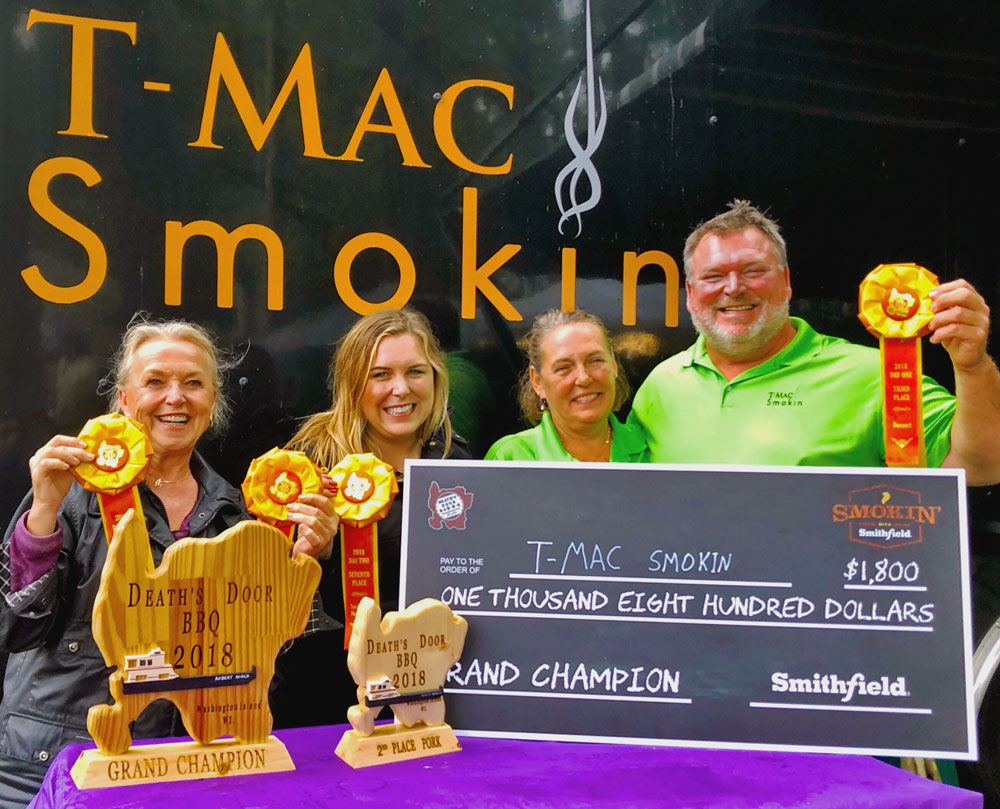
The successes keep coming. 2018 wins include:
2018 Deaths Door BBQ Competition, Washington Island, WI
Day 1 Grand Champion; Day 2 GrandChampion
2018 American Royal Open
4th Place Overall, 2nd Place Perfect Score Chicken
Reserve Grand Champion Side Dish—1st Place Perfect Score Dessert, 4th PlaceVegetable, 5th Place Beans
2018 Turtle Colorfest BBQ Bash, Turtle Lake, WI
Grand Champion, 1st Place Brisket
Nowadays, the team consists of just Tom and his wife, Becky. They like to win, but they love spending time together one weekend after another. And they enjoy being a part of the lively BBQ competition community. “Meeting the people we’ve met has been an awesome journey.“
Follow Tom and the T-Mac Smoking BBQ Team on their Facebook page for exciting news and updates!
Tom McIntosh leads the highly successful T-Mac Smokin’ Professional Competitive BBQ Team, sponsored in part by Griller’s Gold Premium BBQ Pellets. This is the second of two articles about Tom and his BBQ career.
Tom grills at home, all the time. But it’s a different, much more relaxed and basic approach than competition grilling. He doesn’t experiment with competition recipes when he’s in his own backyard. Tom said, “I personally struggle with doing the whole practice-cook thing. The time and attention at competitionis hard to parallel at home. I might try some different sauces, but I don’t go to the same depth with experimenting. I’m too distracted thinking about doing something around the yard. Once I get to competition, I enjoy being focused, away from distraction.”
Of course, Tom bears in mind what he knows from competition when he’s grilling at home.
Tom thinks about the weather as he adapts flavors for different regions. For competitions up north, Tom says he “goes a little more sweet and spicy with flavors; for events in dry hot Southern regions, a little saltier.”
Tom knows what judges expect, and it’s what he strives to deliver every time he steps up to the grill. “Nail tenderness and texture, with flavors that aren’t too far out there, not overpowering, too spicy or sweet.”
This past Thanksgiving, the turkey was cooked on the drum, using the method Tom employs with chicken during competition.
Why a champion chooses Griller’s Gold
“I like the fact that this pellet is made in northern Wisconsin, a local product from a local team. I’ve got a hunting cabin right outside Ladysmith (where Griller’s Gold is produced),” Tom said.
Tom has used Griller’s Gold this past year, and liked his results.“The flavor is good. I’ve always felt Griller’s Gold is a clean pellet,” Tom said. He typically uses Hickory and Competition Blend—Hickory for ribs, Competition Blend for chicken and sides. “I’ve seen non-premium pellets that leave a lot of ash in the burn pot; they’re not so clean.” Tom believes many pellets use softer wood with ‘wood flavor enhancer.’ He knows Griller’s Gold uses only 100% natural wood with no chemical additives.
At home, at the church picnic, and on the competition circuit, the same motivation ultimately drives Tom and Becky. ”We cook because we love to see people enjoy the food we make. We focus on good food that people will enjoy.” Tom’s advice: “Cook with love. Stay true to that.”
Follow Tom and the T-Mac Smoking BBQ Team on their Facebook page for exciting news and updates!
The best BBQ gifts take many forms—high-tech or homemade, sophisticated or simple. What they have in common is the ability to make a really delicious difference for the griller in your life. This holiday season, share the joy of BBQ with attitude.
Neatness counts: grill griddles, baskets and mats
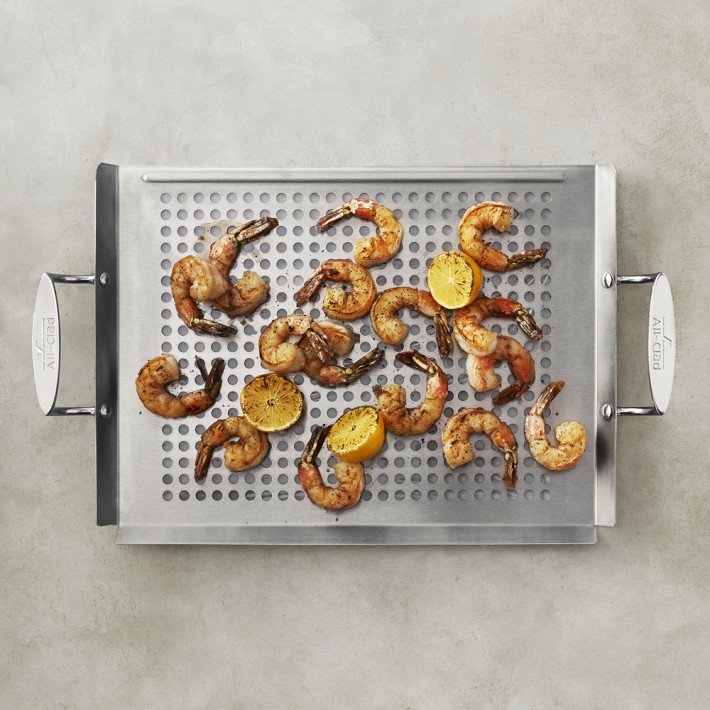
Image: Williams Sonoma
The proficient griller knows all about the problem of food falling between the grates. You can buy several nifty, extremely helpful items to deal with this in style. One choice that’s a sure thing to get the job done right: stainless steel or non-stick grill baskets, griddles, and fry pans. They’re perforated to let smoke go up and drippings go down. But those holes are small enough to keep the food where it belongs—on the cooking surface. Many of the best quality grill griddles come from top cookware brands. Check out the selection from cookware and kitchen experts Williams Sonoma.
Or you can keep it clean with a simple but high-tech solution. Reusable, lifetime-guaranteed, and heat-resistant to 500 degrees, PTFE-fiberglass coated Grillaholics grill mats are a cost-effective way to cook without food sticking or slipping off the grill surface. The highly-rated mats can be cut to size and they’re dishwasher-safe.
Spice it up: a gift box of BBQ rubs and blends
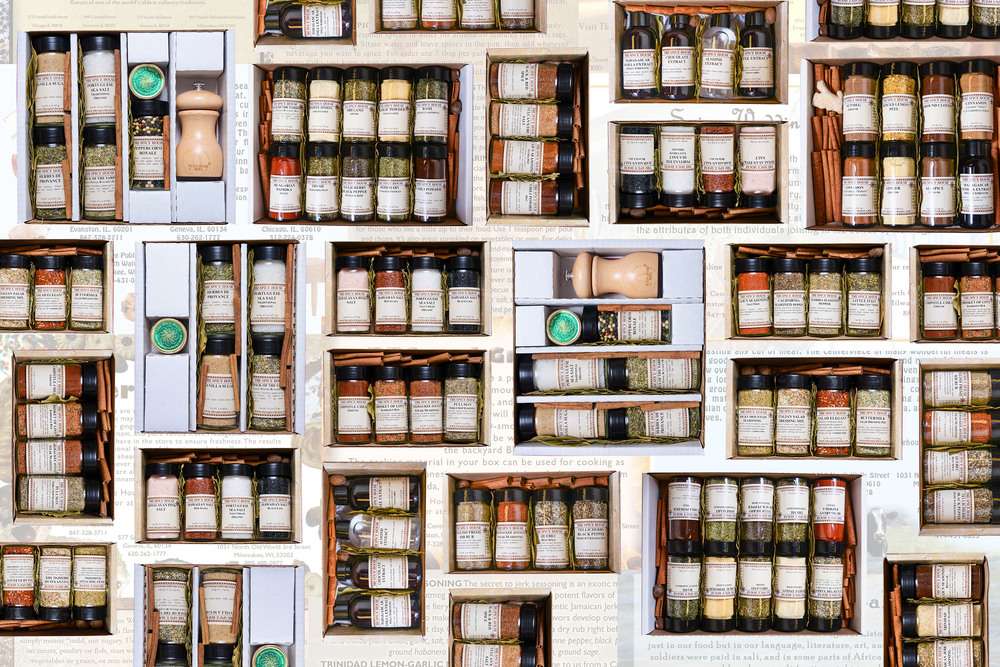
Image: The Spice House
A custom barbecue spice gift set makes an impression for any occasion. Get the freshest spices and special blends from the culinary pros at The Spice House. Order from this 60+-year-old family-owned business that’s been featured on Food Network and in numerous publications; they collaborate with serious chefs and ship nationally.
Note these BBQ-friendly flavors and consider them for your custom set.
Caribbean jerk is a favorite form of outdoor cooking, and the Jamaican Jerk Seasoning blend features the flavor fundamentals, allspice and chile pepper.
The Brisket of Love BBQ rub is made to deliver sweet, tangy, slightly peppery slow-cooked smoked brisket.
Bavarian Seasoning doesn’t say ‘Barbecue’ in its name but The Spice House puts it in the category and recommends its rich, traditional sage-and-mustard flavors for slow-roasted meats and poultry.
Get sauced: BBQ brews for the home chef
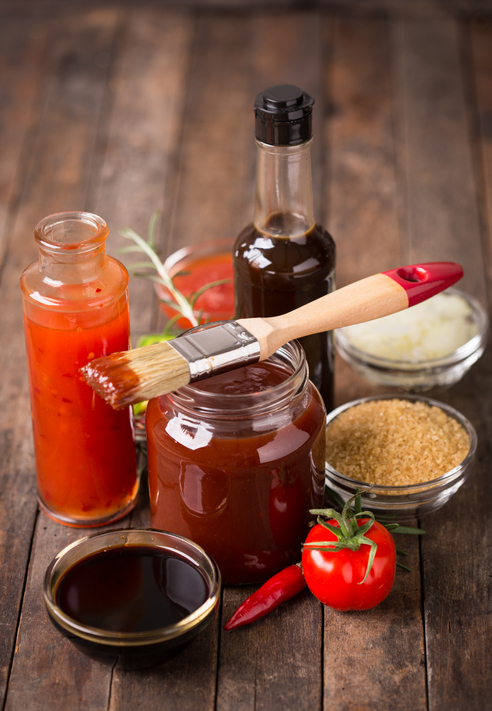
Southern Living magazine’s BBQ sauce recipe feature offers up an All-American range of test kitchen-proven traditional recipes for the home cook. The editors say they’re good enough for gifts, and we absolutely believe them. Check out recipes from Alabama, South Carolina, Kansas City, Texas and more. Make a big batch, find some attractive jars or bottles, print up personalized labels–and be sure to keep some for yourself.
Get more gift-giving inspiration in our Bluetooth BBQ thermometer article. And don’t forget the season’s easiest gift idea: a pellet grilling starter set with a smoker tube and a bag of Griller’s Gold Premium BBQ Pellets.
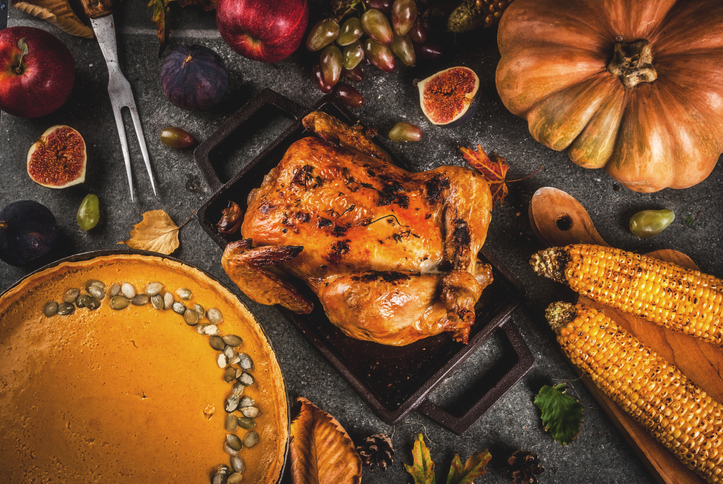
There’s more than one way to enjoy Thanksgiving grilling. Free up oven space by moving your side dish preparation to your wood pellet grill. Outdoor cooking makes for great flavors in sides as well as the main dish.
The man behind the BBQ Bible, grilling expert Steven Raichlen, says it best:
“Supporting players make your bird look even better.”
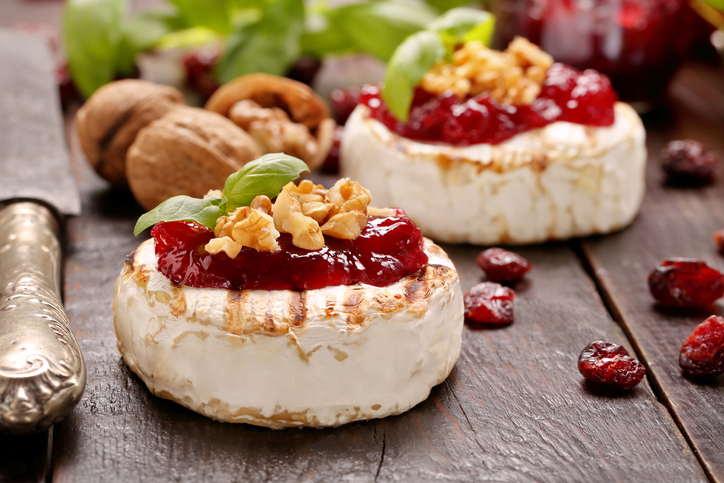
This seasonally correct Cranberry-Walnut Planked Brie is an easy, delicious way Steve suggests you start the festivities and help move some of the crowd out of the kitchen and into the cool autumn air.
“A round of creamy French brie is topped with cranberry jelly or even prepared cranberry sauce, then studded with walnut halves. It combines two distinctly American live fire cooking techniques—planking and smoking. Serve with, what else, grilled bread.”
Sure, you can grill your turkey, too. If you’d rather cook your holiday bird outside this year, read more about our take on turkey grilling for Thanksgiving.
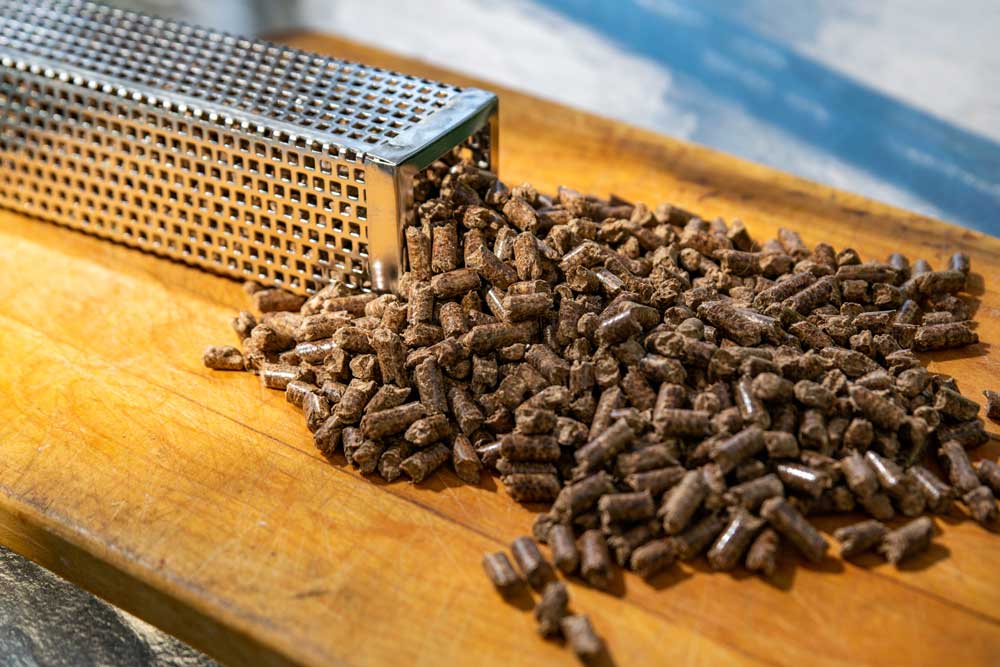
So you want to know how to grill with that smoker box or tube that you’re thinking of buying? For curious cooks who want to check out wood pellet grilling without the full wood pellet grill, smoker tubes and boxes are great gear. They’re affordable, too.
Unlike wood pellet grills, which have plenty of working parts that require instruction, and thus include user manuals, smoker boxes often just arrive at your doorstep. They’re metal. They’re perforated. Now what?
Actually, using these shiny objects is pretty simple. Here are answers to the fundamental questions.
WHY use a smoker box or tube?
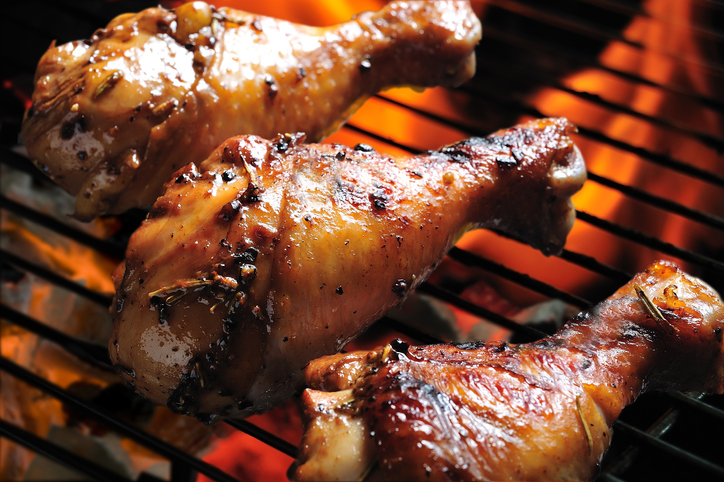
For flavor, not heat. When wood pellets are burned in a smoker box on a conventional grill, they don’t change cooking time or affect method, but they absolutely deliver delicious smoky taste. You don’t even need a recipe; just try grilling chicken with the usual timing and get a uniquely good flavor.
HOW do I grill with a smoker tube?
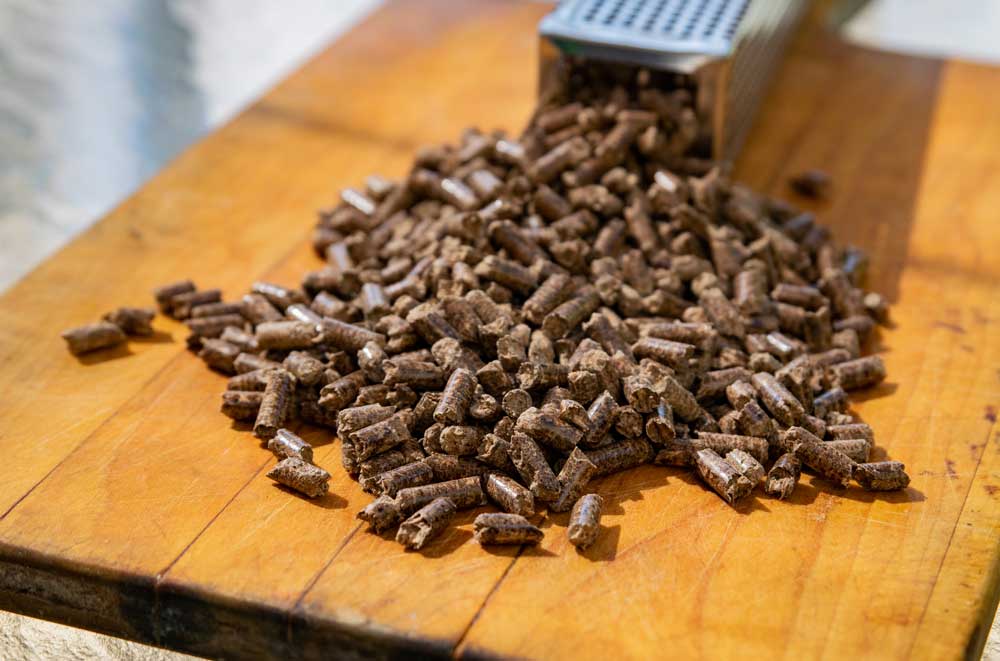
It’s really easy. Fill the tube or box with pellets. Place it under the grill grate, on top of the ‘lava’ or metal that surrounds the gas flame inside your gas grill.* Light the grill, and go.
*Because of the warmup time charcoal requires, plus the fact that it generates flavors that compete with wood smoke, gas grills are the recommended usage for smoker boxes and tubes.
WHEN do I want this gear?
Whenever you think smoke flavor would enhance your grilled food, that’s the time. Also, when you’re just checking out wood pellets as you consider making the leap to a wood pellet grill. Finally, when you want to give a pretty awesome gift to a food fan in your world, consider going to Amazon and ordering this great smoker tube and a bag of Griller’s Gold** as a Smoker Starter Set.
**In Competition Blend and four other great flavors
Enjoy the natural wood smoke flavor that’s so easy to achieve. Get fired up!
If there’s food involved in a holiday, that’s an opportunity to grill. On the Mexican Day of the Dead (Día de Muertos), festivities revolve around ofrendas, colorful altars that honor the departed and include a spread of favorite foods. Let’s talk just a bit about the origins of the holiday, then dig into some delicious recipes.
A little history
Día de Los Muertos began with Aztecs around 3,000 years ago. After the arrival of the Catholic Church in the Americas, Day of the Dead celebrations coincided with the feasts of All Souls Day and All Saints Day. Then as now, generations come together and visit cemeteries to clean headstones, place decorations, and picnic to the accompaniment of mariachi bands.
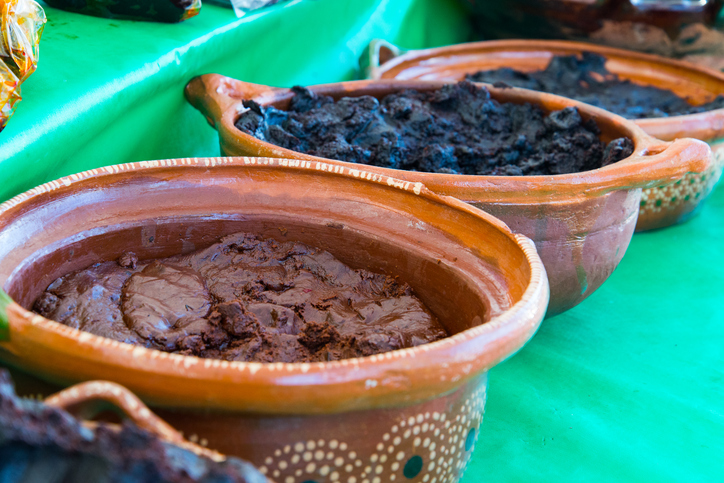
In today’s Day of the Dead celebrations, sugar skulls, keepsakes, candles, photos of the departed, flowers and food all adorn the ofrendas. The aromas of mole and tamales waft through the air and mingle with the returning spirits. Scent is a traditional element of the celebrations, including pine incense and fresh marigolds in addition to food. The idea that the invisible spirits are real and present is what inspires all these good fragrant elements of the observances.
Inviting the spirits to dinner
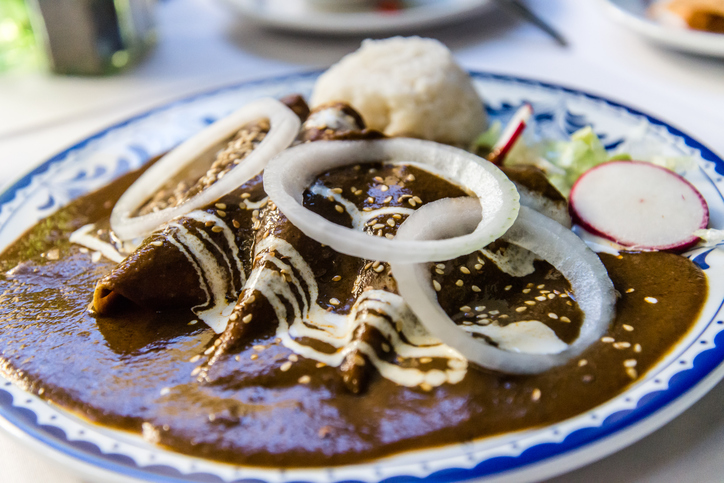
The return of your ancestors from the afterlife qualifies as a special occasion, so somewhat fancy foods seem appropriate. Mole is a holiday favorite in Mexican cuisine; this mole sauce recipe would do justice to your Day of the Dead grilled meats. Tamales are another dish for celebrations; the meat in this red chile and pork tamale filling recipe could easily be prepared on your pellet grill rather than the braising method described here. Then you’d have that extra layer of smoky flavor–and smoke, like the spirits who come back to visit, is wondrous and just a bit mysterious.
Enjoy your festivities and remembrances.
Want more chile pepper flavors? Read about readymade and home-brewed chipotle sauces in the Griller’s Gold burger trends blog post.