
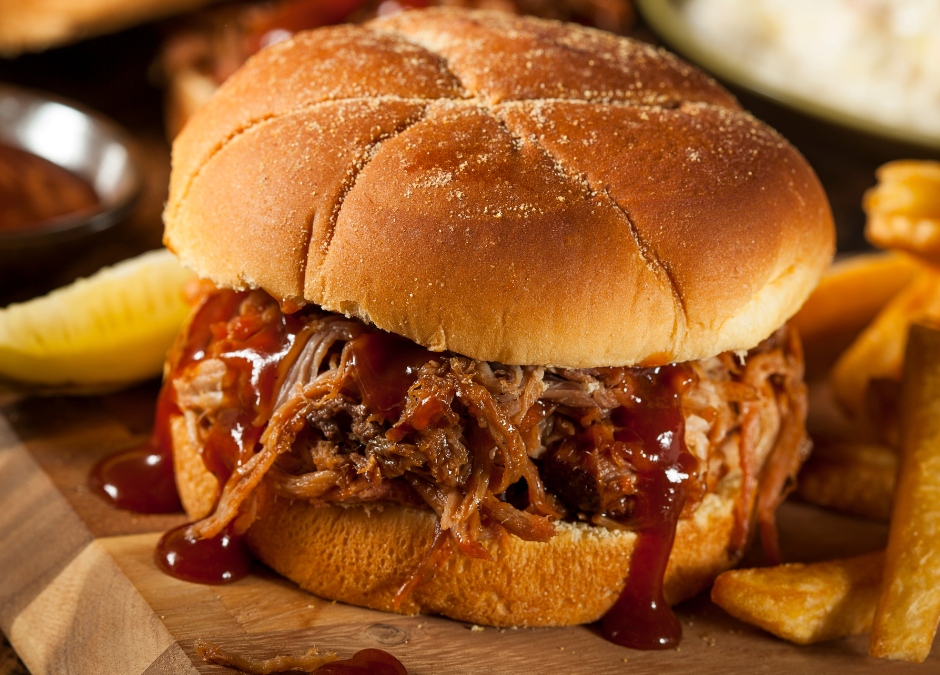
Let’s talk pulled pork.
Because if you’re new to smoking meat, there’s a good chance you’ve stared at a giant pork shoulder at the grocery store and thought:
What in the world am I supposed to do with that?
The answer?
Buy it.
Pulled pork is honestly one of our favorite cooks for anyone learning their way around a pellet grill. It’s forgiving. It feeds a crowd. And even if your timing isn’t absolutely perfect, you can still end up with a pile of smoky, juicy pork that has everyone hovering around the kitchen island stealing bites before dinner.
Not that we’ve ever done that.
Okay. Here’s what you’re gonna do.
First, Grab Yourself a Pork Shoulder
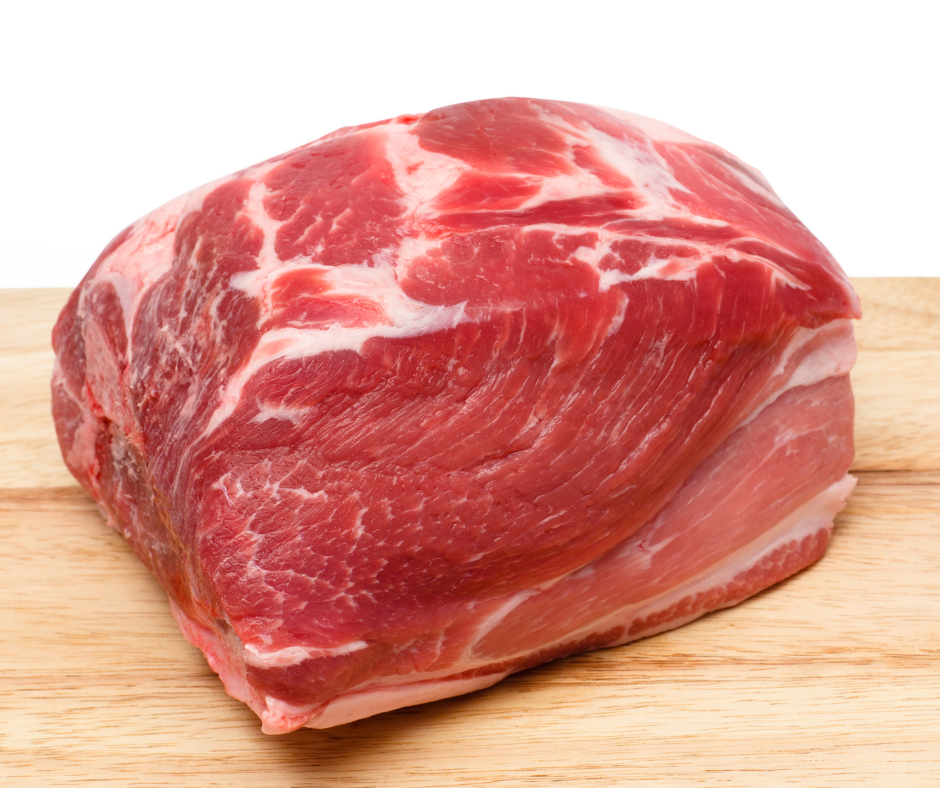
You might see it labeled pork shoulder or Boston butt.
And before someone asks—yes, we’re aware that “Boston butt” is a confusing name for something that comes from the shoulder.
Barbecue is weird sometimes.
Look for one that’s around 7 to 9 pounds. We like bone-in because when that pork is done right, pulling the bone out clean is one of the most satisfying moments in barbecue.
Seriously.
You’ll know.
Don’t go crazy trimming it either. Pork shoulder has plenty of fat and marbling, and that’s exactly what helps it turn into that tender, juicy pulled pork we’re after.
Now Let’s Talk Seasoning
You can absolutely use your favorite BBQ rub here.
Or keep it simple with some brown sugar, paprika, salt, pepper, garlic powder, and onion powder.
The important thing?
Don’t be shy.
That’s a big piece of meat.
A tiny sprinkle of seasoning isn’t going to do much for a nine-pound pork shoulder.
Coat the whole thing generously. Get the sides. Get underneath it. Make sure that pork knows you’re serious.
Then let it hang out while you get the grill ready.
What Pellets Should You Use for Pulled Pork?
Ahhh. Our favorite question.
Pork plays really well with smoke, which means you’ve got options.
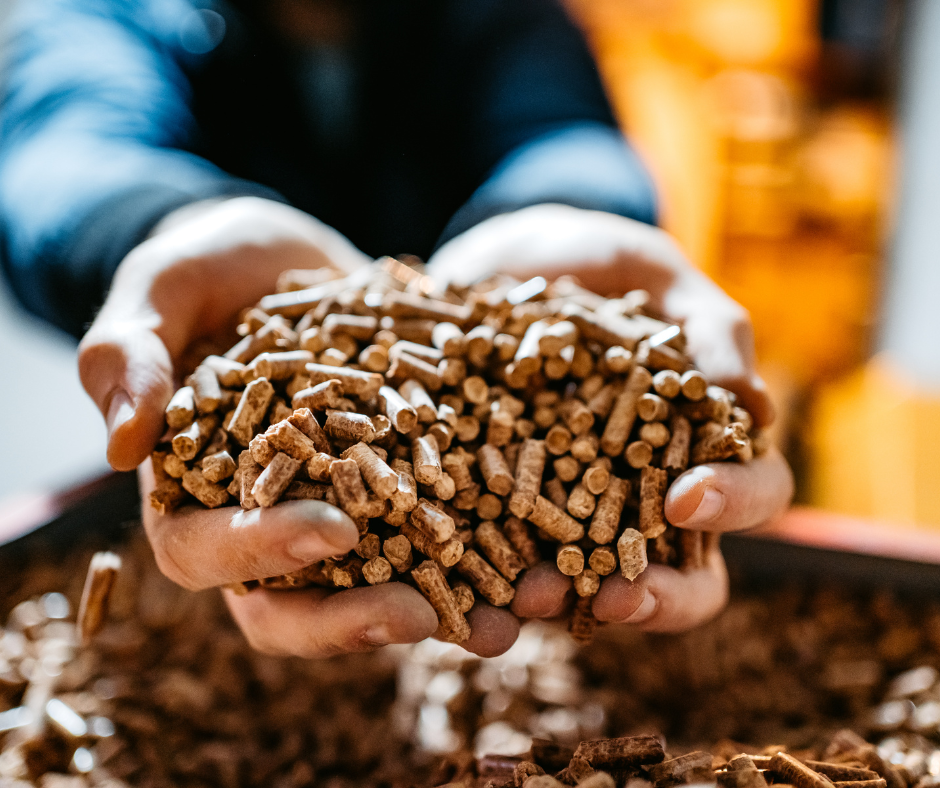
Want that classic backyard BBQ flavor? Go with Hickory.
Want something balanced that lets the pork shine? Smokeshack Blend is always a solid choice.
Looking for a little sweetness? Fruitwood Blend or Cherry are fantastic with pork.
And honestly?
This is where experimenting gets fun.
Try Hickory one weekend. Fruitwood Blend the next. Mix flavors. Take notes. Declare one batch “the best pulled pork you’ve ever made” until you make the next one.
That’s half the fun of barbecue.
Set Your Pellet Grill to 225°F
Once your grill is holding steady at 225°F, put the pork shoulder on.
Fat side up.
Close the lid.
And now we’re going to give you some very important barbecue advice:
Stop opening the grill.
We know.
You want to look at it.
You want to poke it.
You want to take a picture and send it to your buddy.
Resist the urge.
Every time you open that lid, you’re letting heat and smoke escape.
Trust your grill. Trust your pellets. Go mow the lawn. Have a drink. Watch the game.
The pork is fine.
And Then…The Stall
At some point, usually around 160–170°F internal temperature, you’re going to check your pork and realize the temperature hasn’t moved.
Then you’ll check again.
Still nothing.
And you’ll start wondering if your thermometer is broken.
Congratulations.
You’ve met the stall.
This happens when moisture evaporating from the meat cools the pork almost as quickly as the grill is heating it.
Basically, your pork shoulder has decided to take a little break.
You have two choices.
You can wait it out.
Or you can wrap the pork tightly in butcher paper or foil and keep cooking.
Neither answer is wrong.
This is barbecue, not a math test.
When Is Pulled Pork Done?
Here’s where people get hung up.
Yes, you’re looking for an internal temperature somewhere around 200–205°F.
But temperature isn’t the only thing that matters.
Take your temperature probe and slide it into the pork.
Does it glide in with almost no resistance?
That’s what we’re looking for.
Think warm butter.
If you’re fighting the pork with the thermometer, it probably needs more time.
Your pork will tell you when it’s ready.
You just have to listen.
Okay, technically you have to poke it.
But you get the idea.
Please Let the Pork Rest
We know you’ve been smelling smoked pork for the last eight hours.
We know everyone is asking when dinner is ready.
We know you want to pull that pork immediately.
Don’t.
Wrap it up and let it rest for at least 30–60 minutes.
This gives the juices time to redistribute throughout the meat.
Translation?
Juicier pulled pork.
It’s worth the wait.
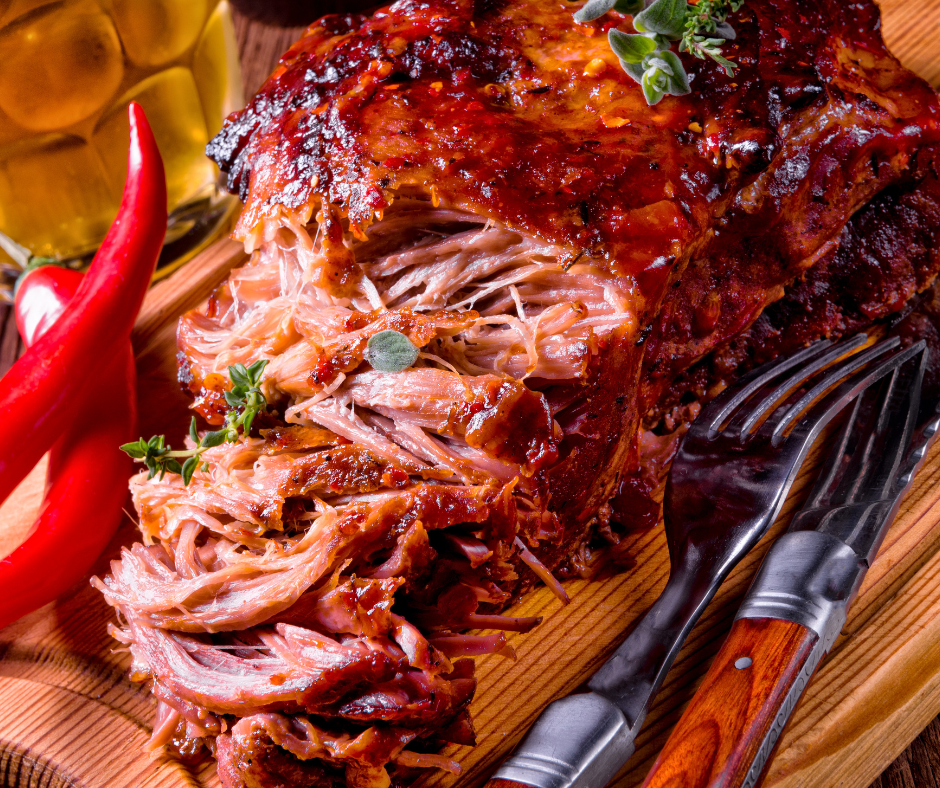
Now Comes the Best Part
Pull out the bone.
If you’ve done everything right, it should slide out clean.
Take a moment to admire your work.
Then start shredding.
Use forks. Use meat claws. Use your hands once it’s cool enough.
And make sure you mix that dark, smoky bark into the rest of the meat.
Those little pieces are barbecue gold.
What Are We Eating with This?
Pulled pork sandwiches are always a win.
Pile the pork onto a soft roll and add some coleslaw.
Or skip the sandwich and serve it with:
- Mac and cheese
- Baked beans
- Cornbread
- Potato salad
- Pickles
- Grilled corn
And if you’re standing over the counter eating pulled pork straight from the pan?
We support that decision too.
Pulled Pork Doesn’t Have to Be Complicated
That’s really the point here.
You don’t need years of barbecue experience.
You don’t need fifteen ingredients.
And you definitely don’t need to panic when the temperature stalls.
You need a good pork shoulder, a little patience, and quality hardwood pellets delivering consistent heat and clean smoke.
That’s it.
So grab a pork shoulder.
Fill the hopper.
And give it a shot.
Worst-case scenario?
You learn something.
Best-case scenario?
You’re suddenly the person everyone asks to bring the pulled pork to the next cookout.
And we’re warning you now…
Once that happens, there’s no going back.